Visit Ranthambore in Monsoon: Complete Guide
Ranthambore National Park is transformed into a lush green paradise where stunning scenery and a refreshing experience await visitors. Your escape begins here, where nature comes alive in its most refreshing form. Being a less crowded place with a calm and beautiful environment and some active wildlife, this is one of the best times for all nature and photography lovers to visit.
The rain-soaked landscapes, beautiful sky, and peaceful surroundings will make your trip unique – enjoyable for relaxation and unforgettable. If you are planning a wildlife trip or looking for a monsoon to visit Ranthambore, you surely have a great opportunity to enjoy one of the most famous national parks in India.
Quick Navigation
- Why Visit Ranthambore During the Monsoon?
- Wildlife Sightings in Ranthambore During the Rainy Season
- Monsoon Photography Opportunities in Ranthambore
- Fewer Crowds and a More Peaceful Ranthambore Experience
- What to Pack for a Monsoon Trip to Ranthambore
- Conclusion
Why Visit Ranthambore During the Monsoon?
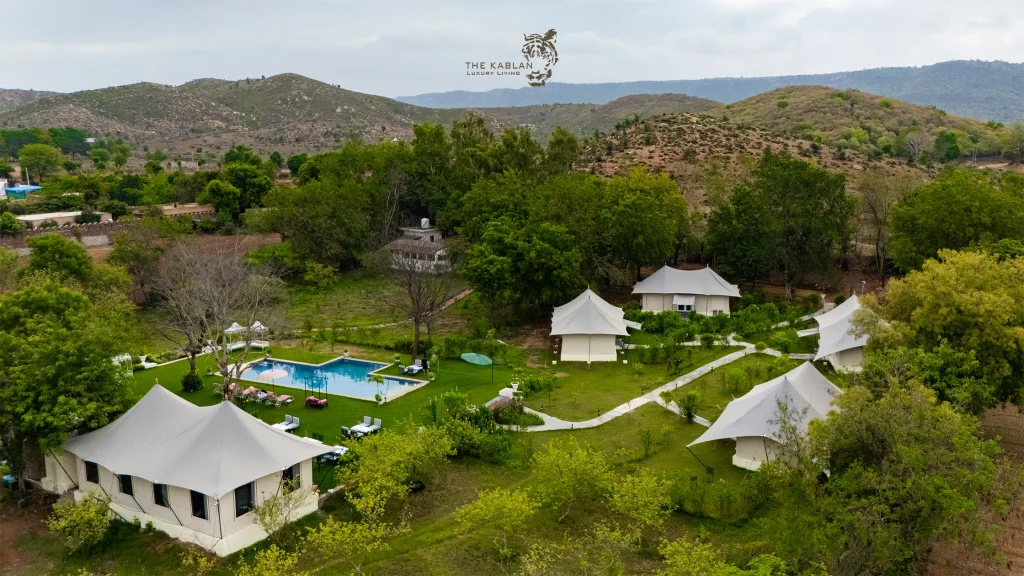
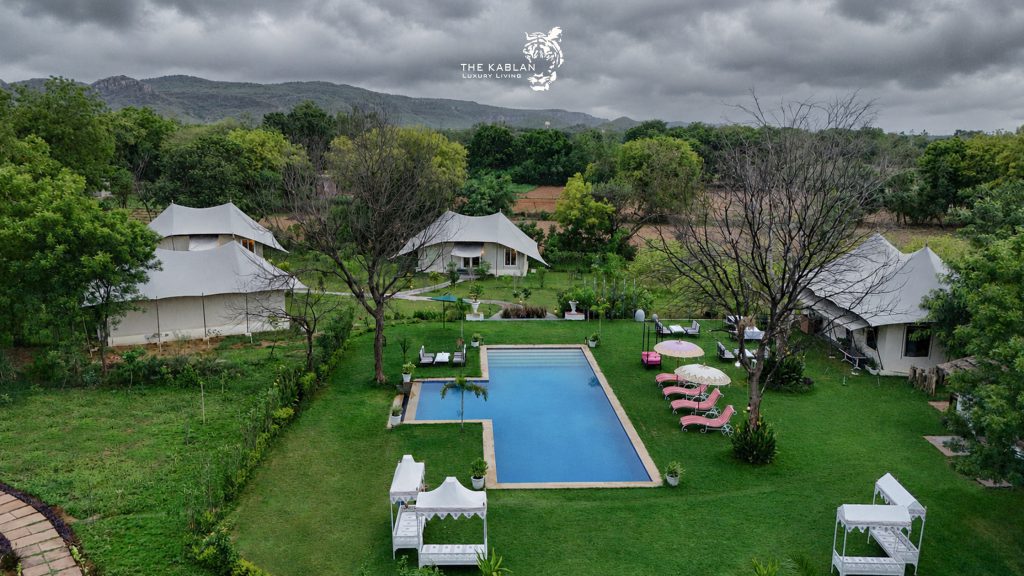
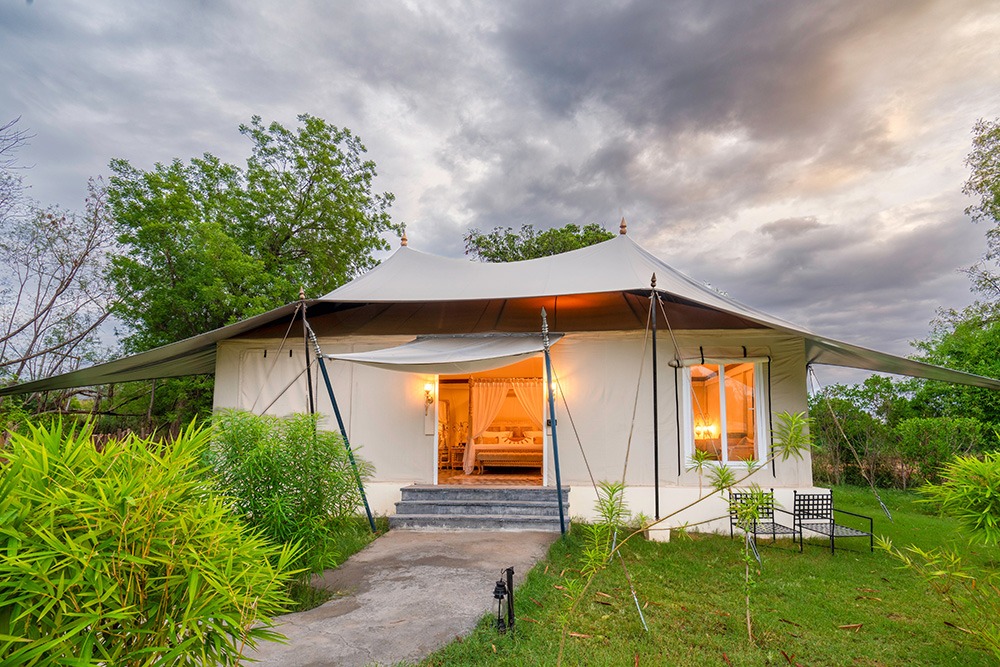
The monsoon transforms Ranthambore into a lush green paradise with fresh landscapes, flowing streams, and a peaceful atmosphere. While the core safari zones (1–5) remain closed, visitors can explore the buffer zones (6–10), known for birdwatching and wildlife sightings. Although tiger sightings are less frequent due to dense vegetation, the scenic beauty, cooler weather, and fewer crowds make the monsoon a perfect time to enjoy a calm and refreshing escape into nature. For a complete monsoon getaway, choose the best stay in Ranthambore, where comfortable accommodation, warm hospitality, and easy access to the safari buffer zones make your wildlife experience even more memorable.
Wildlife Sightings in Ranthambore During the Rainy Season
During the rainy season, Ranthambore National Park transforms into a vibrant green oasis. While the core safari areas remain closed for breeding, buffer zones (6–10) continue welcoming visitors. Although animals have abundant water and vegetation, making sightings slightly less predictable, birdwatching becomes exceptional, and the forest appears at its most beautiful.
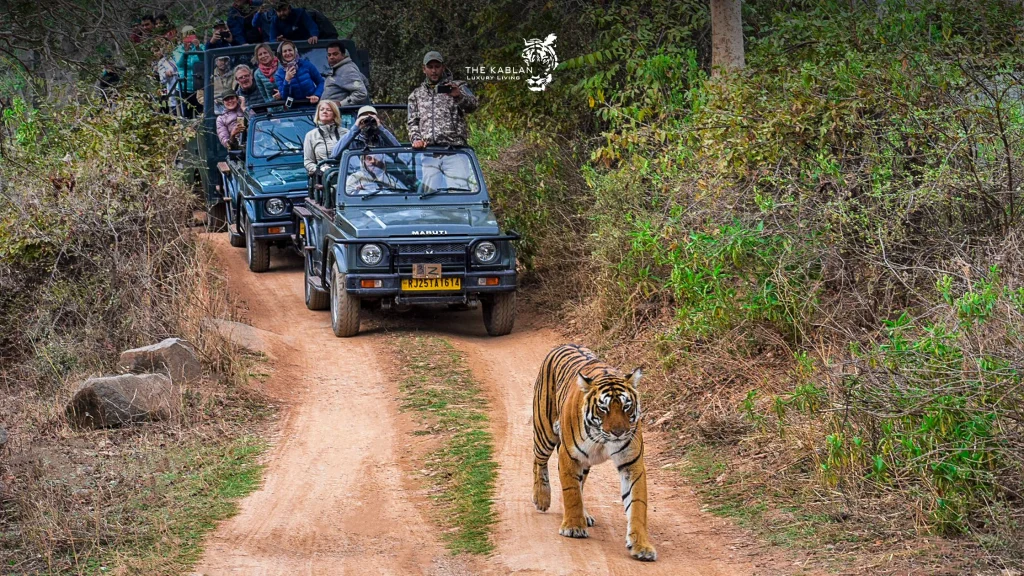
Sambar deer, spotted deer (chital), and nilgai (blue bull) are commonly seen across the open safari zones. Tigers continue to roam the buffer areas and may occasionally be spotted moving through the dense greenery. Crocodiles are also highly active and are often seen along the banks of lakes and seasonal streams.
Monsoon Photography Opportunities in Ranthambore
For photographers, Ranthambore National Park is the perfect destination with ancient forts, rich bird diversity, and fantastic jungle landscapes during the monsoon season.
- Padam Talao is considered one of the most picturesque spots in the park. Early morning, the still water creates magnificent reflections of the trees and beautiful skies.
- Rajbagh Talao is surrounded by ancient remains of palaces and archways that can also serve as attractions for photographers. The reflection of these monuments on the water, coupled with the activity of the wildlife nearby, provides for great opportunities for making fantastic photos.
- Ranthambore Fort – a UNESCO World Heritage Site – features wonderful views for landscape photography, while the Trinetra Ganesh Temple has its own cultural significance, allowing you to capture images of pilgrims visiting the temple.
- Malik Talao is a favourite point for birdwatchers, as it houses many species of birds. The calm waters reflect the surroundings, while the banks enable photographers to observe the wildlife as well as the landscapes.
Fewer Crowds and a More Peaceful Ranthambore Experience
One of the main pros of visiting Ranthambore during the monsoon. In comparison to other seasons when tourist activity is more intense (like the winter season), there is lower tourist activity and hence a relaxed travel experience, a peaceful environment, and more chances to appreciate the beauty of nature. The lush greenery, fresh air, and peaceful atmosphere of the area make every activity refreshing.
The fact that the season is slow makes it easy to explore the Ranthambore National Park more peacefully.
What to Pack for a Monsoon Trip to Ranthambore
Here are the following items to make your safari in Ranthambore during the monsoon season comfortable:
- Lightweight, quick-drying clothes.
- A raincoat to protect you from sudden rain.
- Comfortable waterproof shoes with good grip.
- An umbrella.
- Waterproof bags or zip-lock pouches for your camera, phone, and other valuables.
- Insect repellent.
- A reusable bottle.
- Your basic medicine and toiletries.
Conclusion
Ranthambore National Park takes on a whole new look during the monsoon season with greenery and calm in its environment, such as the scenic landscapes and satisfying wildlife viewing opportunities.
The rainy season is perfect for those who want to enjoy nature or photography, do bird watching, or just be part of a quieter Ranthambore safari.
FAQ
Ques. Is Ranthambore open during the monsoon?
And yes. While core safari zones (1–5) remain closed during the monsoon, buffer zones (6–10) stay open for wildlife safaris and birdwatching.